

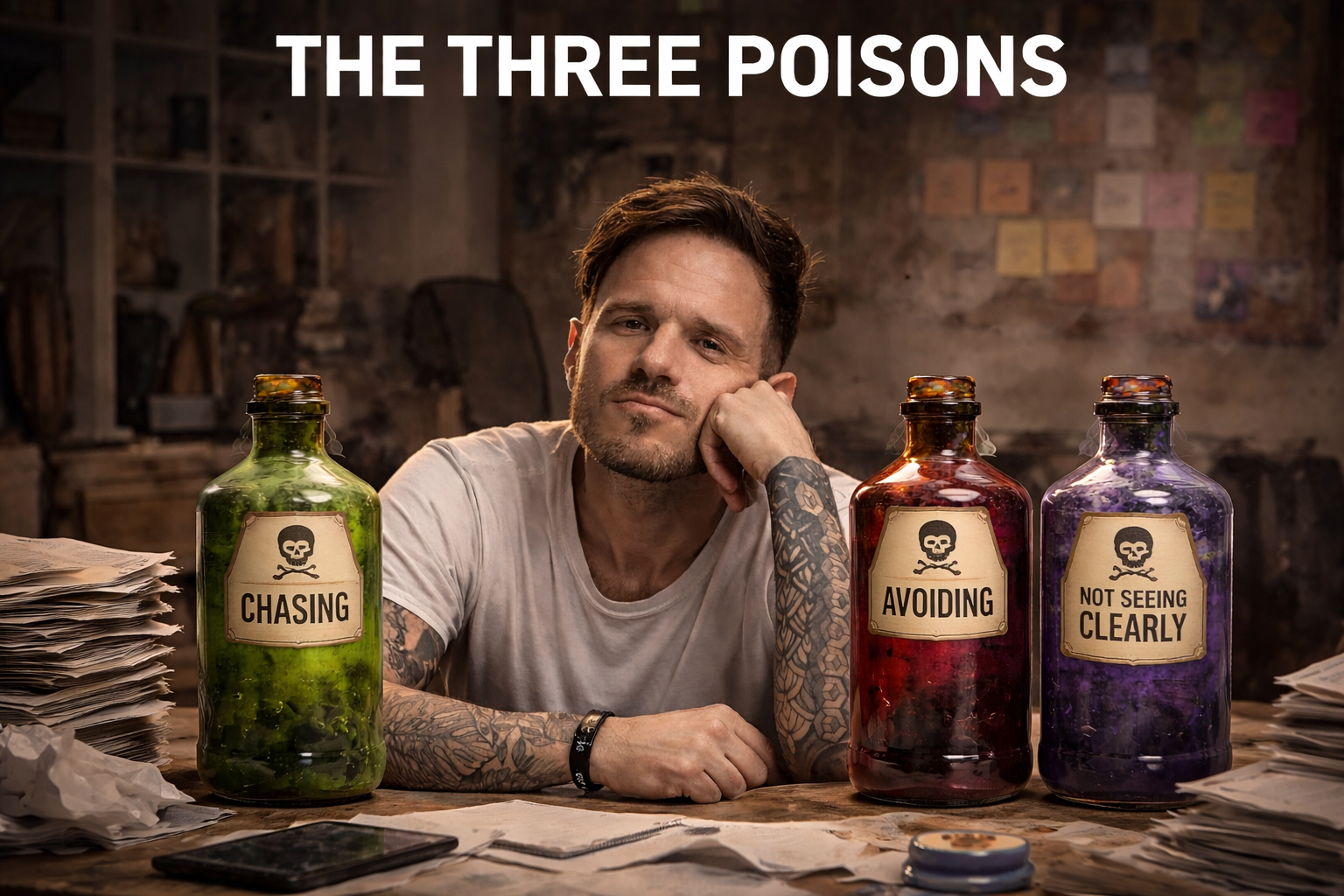
Still Not Enough: Why Insight Doesn’t Change Behavior
Insight alone doesn’t change behavior. Many people understand their patterns but still repeat them. This article breaks down the cycle of chasing relief, avoiding discomfort, and missing the pattern in real time—and how small, in-the-moment shifts create lasting change. Brian Granneman, LMHC, CAP, CCTP, Naples Integrated Recovery

Why You Can Feel Deeply Attached to Someone Who Isn’t Good for You
Oxytocin is often misunderstood as a “love hormone,” but it functions as a powerful attachment system shaped by safety, context, and nervous system regulation. This article explains how bonding, chemistry, and repair work biologically—and why intensity isn’t the same as security in relationships. Brian Granneman, LMHC, CAP, CCTP, Naples Integrated Recovery, LLC
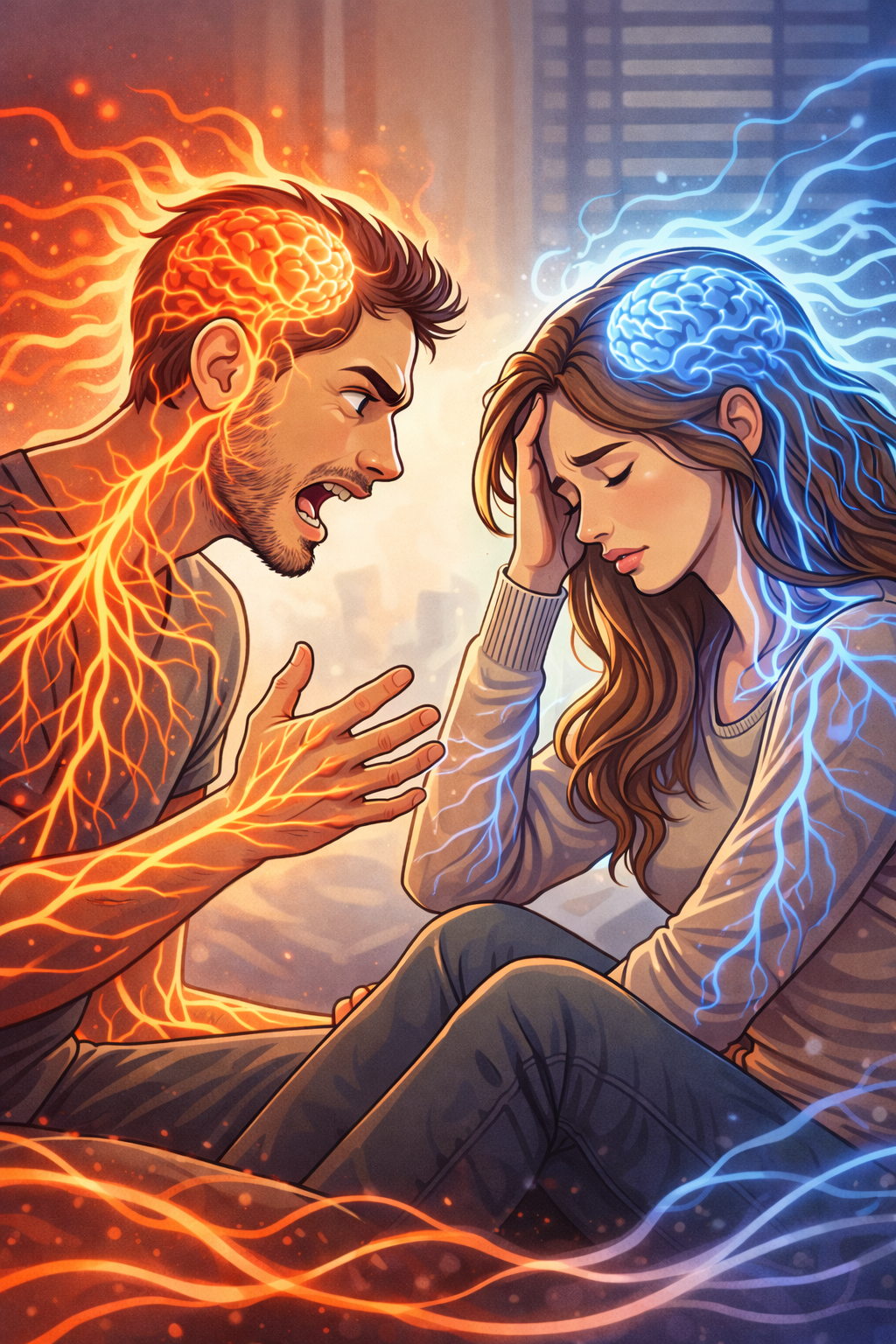
Why You React Before You Think: Polyvagal Theory and the Nervous System Under Stress
Why you react before you think has less to do with insight and more to do with nervous system state. This article breaks down Polyvagal Theory, explaining how physiology drives behavior under stress, why words stop working in conflict, and where responsibility actually lives once state shifts occur.
Brian Granneman, LMHC, CAP, CCTP, Naples Integrated Recovery

Complex Trauma Isn’t What You Think: Survival Roles, Shame, and the Nervous System
Complex trauma isn’t just about catastrophic events—it’s about chronic emotional misattunement that shapes the nervous system, identity, and adult behavior. This article explores survival roles, shame, and why discipline and insight alone don’t heal what was learned in relationship.
Brian Granneman, LMHC, CAP, CCTP, Naples Integrated Recovery
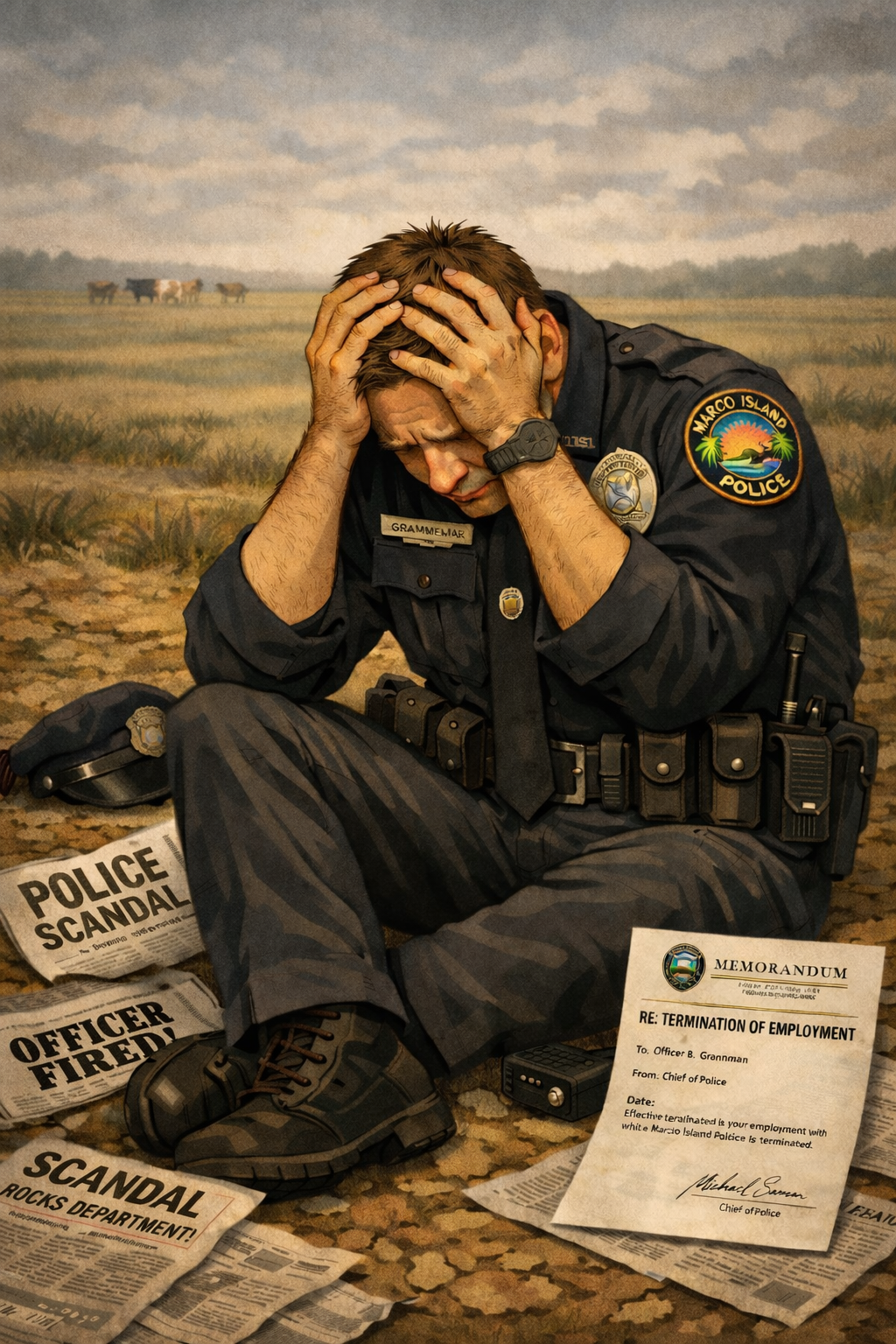
No Cows, No Problems: Adaptation After Loss
This article uses the parable of the lost cows to examine how identity, attachment, and public loss intensify suffering. It explores career collapse, humiliation, and why adaptation begins only when resistance to reality stops, reframing non-attachment as identity flexibility rather than detachment.
Brian Granneman, LMHC, CAP, CCTP, Naples Integrated Recovery,
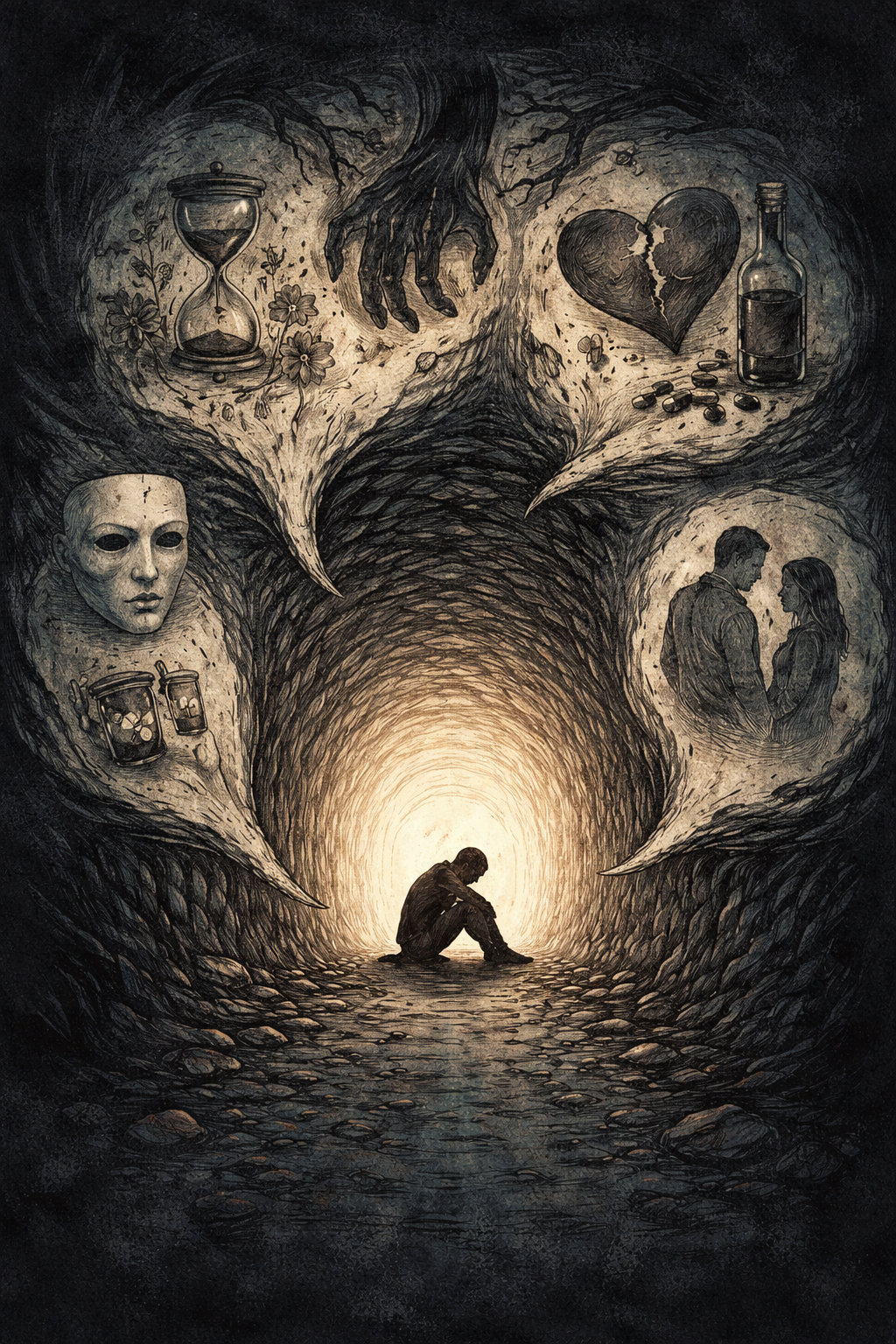
Why Most Therapy Fails to Touch the Real Problem
Why therapy often fails to create real change: it treats symptoms while avoiding the deeper human pressures beneath anxiety, addiction, trauma, and relationship distress. This article explains how healing comes from building capacity for responsibility, uncertainty, and engagement—not comfort or reassurance.
Brian Granneman, LMHC, CAP, CCTP, Naples Integrated Recovery
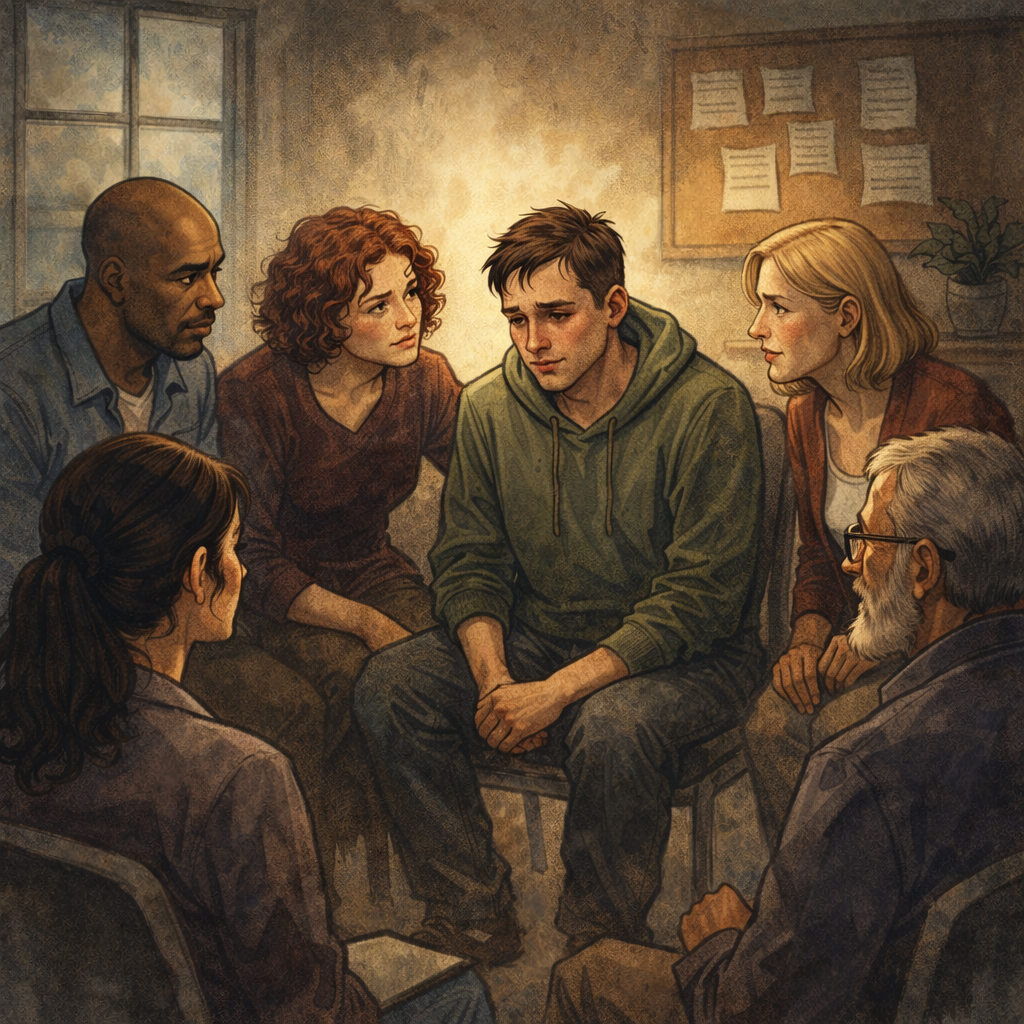
Why Groups Help People Change More Than 1-on-1 Therapy
Group therapy, recovery meetings, and peer support groups create powerful change because relational patterns are exposed in real time. This article explores why environments like Alcoholics Anonymous and therapy groups often accelerate growth, reduce shame, and help people practice new ways of relating.
Brian Granneman, LMHC, CAP, CCTP, Naples Integrated Recovery
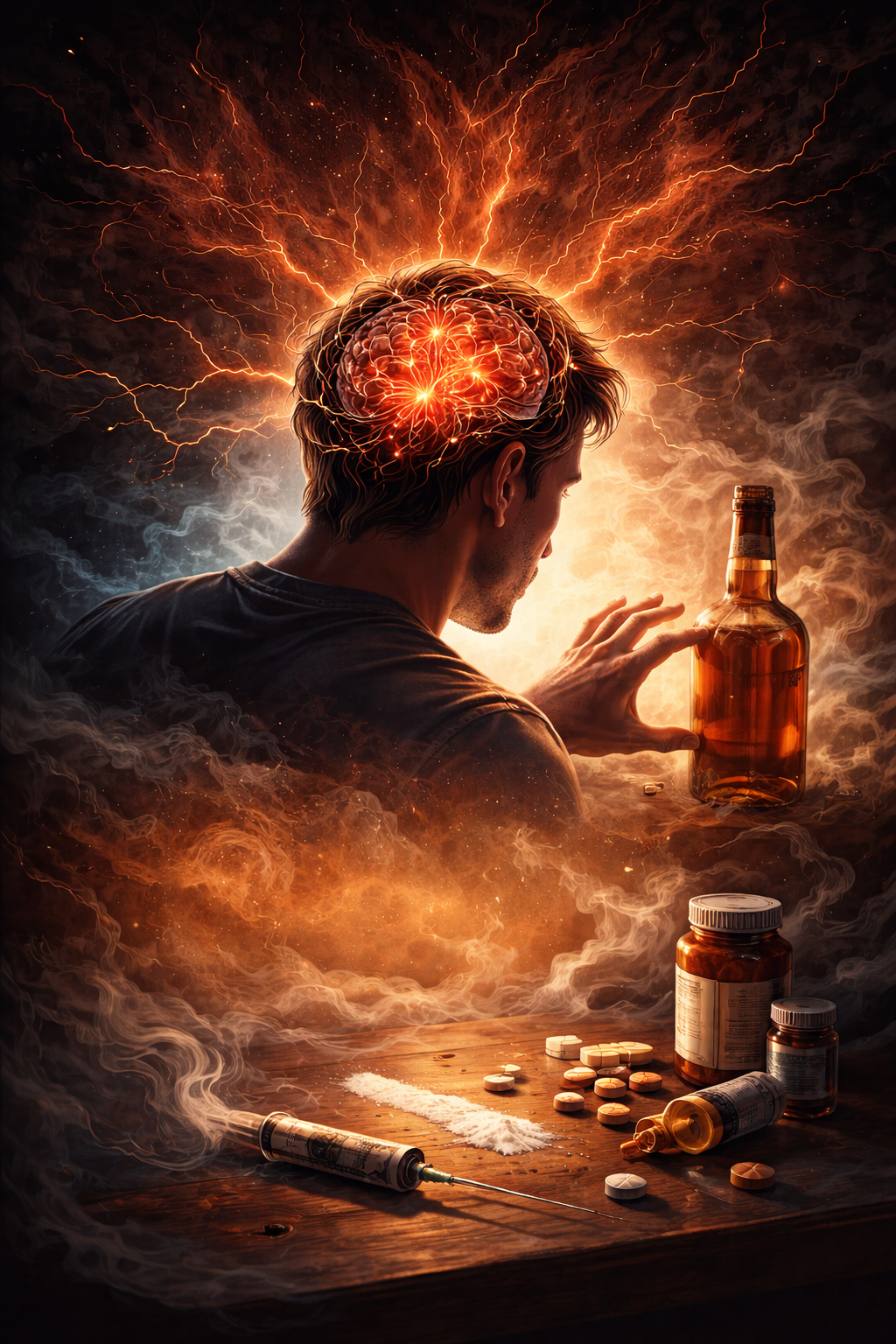
Pleasure Isn’t the Point: Why Addiction Is About Seeking, Not Enjoyment
Addiction isn’t about pleasure—it’s about relief, regulation, and nervous system survival. This article explains why compulsive behavior persists long after pleasure fades, how avoidance and emotional pain drive use, and what actually supports lasting change beyond willpower or shame.
Brian Granneman, LMHC, CAP, CCTP, Naples Integrated Recovery

How self Limiting Beliefs Lock in Your Life
Self-limiting beliefs rarely sound negative—they sound realistic, responsible, and mature. This article breaks down how “I’m just being realistic” quietly caps identity, protects outdated self-concepts, and shrinks behavior through fear and half-commitment, showing how identity actually changes through action, exposure, and nervous-system recalibration.
Brian Granneman, LMHC, CAP, CCTP, Naples Integrated Recovery

Toxic Revenge, Impulse Wiring, and Why We Keep Hurting the People We Love
Revenge in relationships isn’t cruelty—it’s impulse wiring trying to relieve pain fast. This article breaks down toxic revenge behaviors, limbic impulsivity, attachment alarms, and why hurting back often damages the connection we actually want to protect, with clear paths toward interruption and repair.
Brian Granneman, LMHC, CAP, CCTP, Naples Integrated Recovery