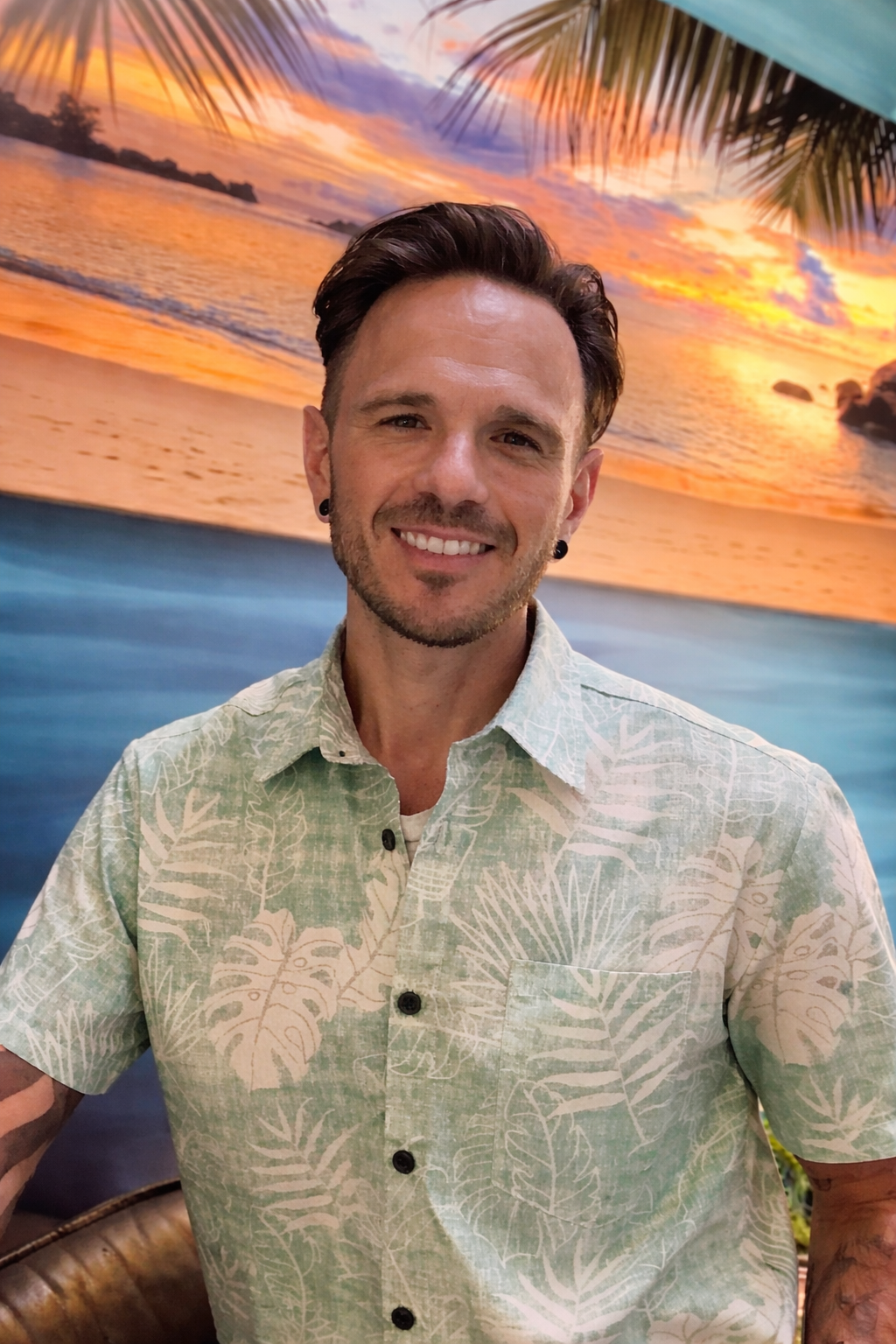
About brian
no better, no worse.
Just a fellow traveler.

I specialize in trauma-informed therapy and substance use treatment, working with people who are used to functioning at a high level while carrying more than anyone realizes. Many of my clients are professionals who rarely seek help at all — physicians, nurses, attorneys, executives, business owners, and other therapists. People who are competent, driven, and relied upon by others. People who carry responsibility well but struggle in private.
I understand what it’s like to maintain a public identity while dealing with something heavy underneath. Many of the individuals I work with are the ones others turn to for stability. They hold families, teams, and systems together. Vulnerability feels risky when your role depends on being steady. So the suffering stays quiet. The work we do is about building a space where that pressure can finally be put down without it costing you your strength, your competence, or your dignity.
Hi there! I’m Brian, a Licensed Mental Health Counselor, Certified Addiction Professional, and Certified Clinical Trauma Professional with a passion for helping individuals break free from self-defeating patterns and reclaiming their lives. My career has spanned multiple service roles, including law enforcement, child protective investigations, and now clinical mental health counseling, allowing me to support clients from all walks of life with a unique and compassionate perspective.
Part of my Journey
My path to becoming a counselor was shaped by my own transformative experience. After a 12-year career in law enforcement—serving in patrol, traffic, investigations, and field supervision—I faced my own battle with addiction. Seeking help was one of the hardest but most rewarding decisions of my life, and it was in treatment that I realized the profound impact counselors can have. That experience ignited a passion in me to help others find hope and healing.
I went on to earn a Master’s Degree in Addiction Counseling: Integrated Recovery for Co-Occurring Disorders from the Hazelden Betty Ford Graduate School of Addiction Studies, where I graduated with a 4.0 GPA, received the Chief Academic Officer’s Award of Excellence, and served as the student-elected cohort representative. Today, I use my lived experience and clinical expertise to bridge the gap between understanding and healing for my clients.

Therapeutic Approach
My work is direct and structured. We figure out the pattern, look at what it’s costing you, and decide what needs to change. I pull from approaches like DBT, EMDR, IFS (parts work), motivational interviewing, and Gottman Method, but I don’t hide behind jargon. We focus on what’s actually happening in your life — the triggers, the reactions, the habits that keep repeating — and we build practical ways to handle them differently. Insight matters, but change matters more.
Clients experience me as steady and real. I don’t shame people for being human, and I don’t panic when someone brings in something messy. I’ve lived enough life to understand struggle from the inside. At the same time, I won’t ignore patterns that are hurting you or the people around you. If something needs to be challenged, we’ll challenge it. If something needs to be slowed down and understood, we’ll slow it down. The work is honest, adult, and focused on helping you build a life you can actually respect.
Beyond the Therapy Room
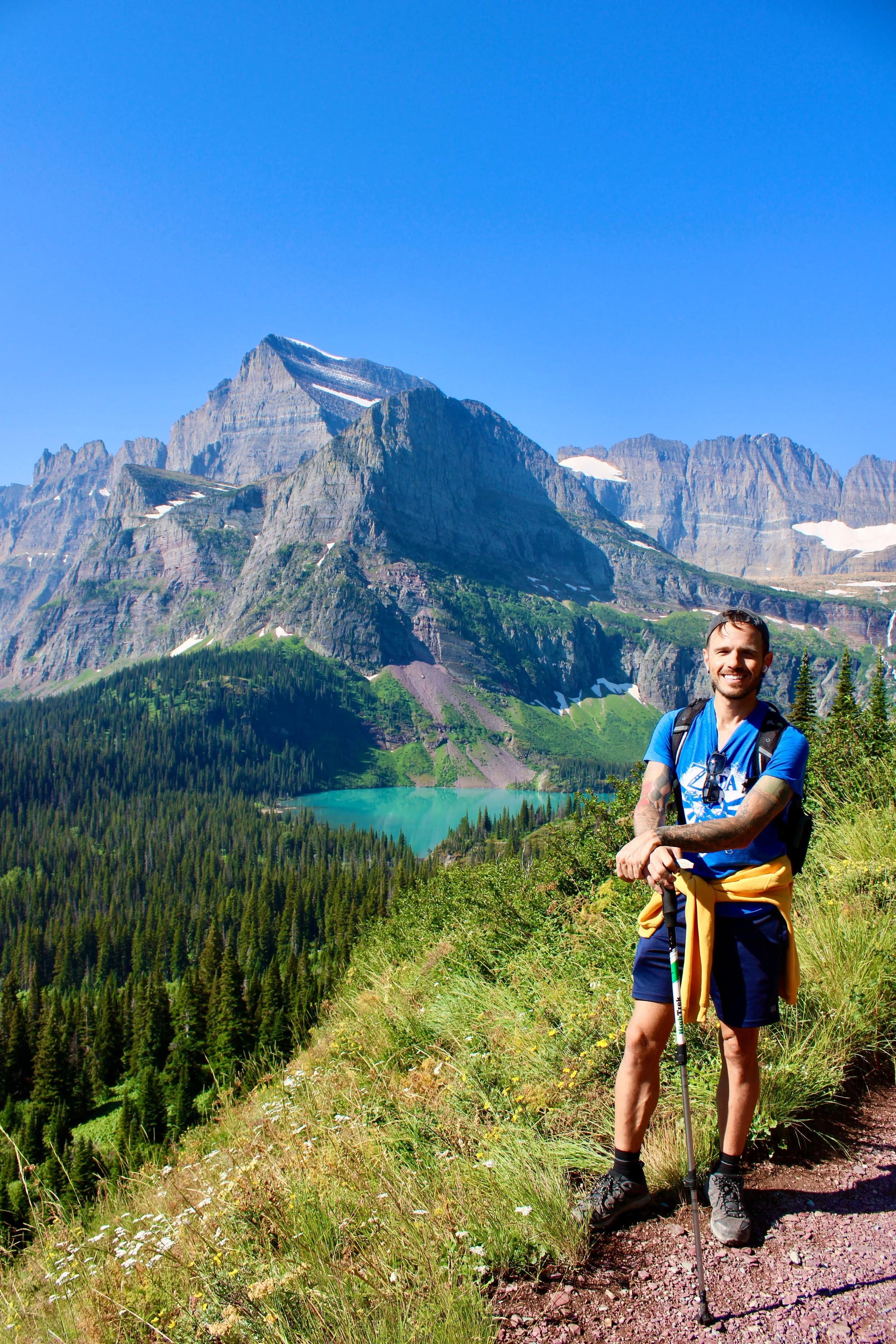
When I’m not working, I enjoy playing music, gardening, exercising, hiking, travel, reading, and spending time with my partner and our rescue pets. I remain actively engaged in peer-led recovery communities, recognizing the importance of connection and lifelong growth.
Everyone you meet is fighting a battle you know nothing about.
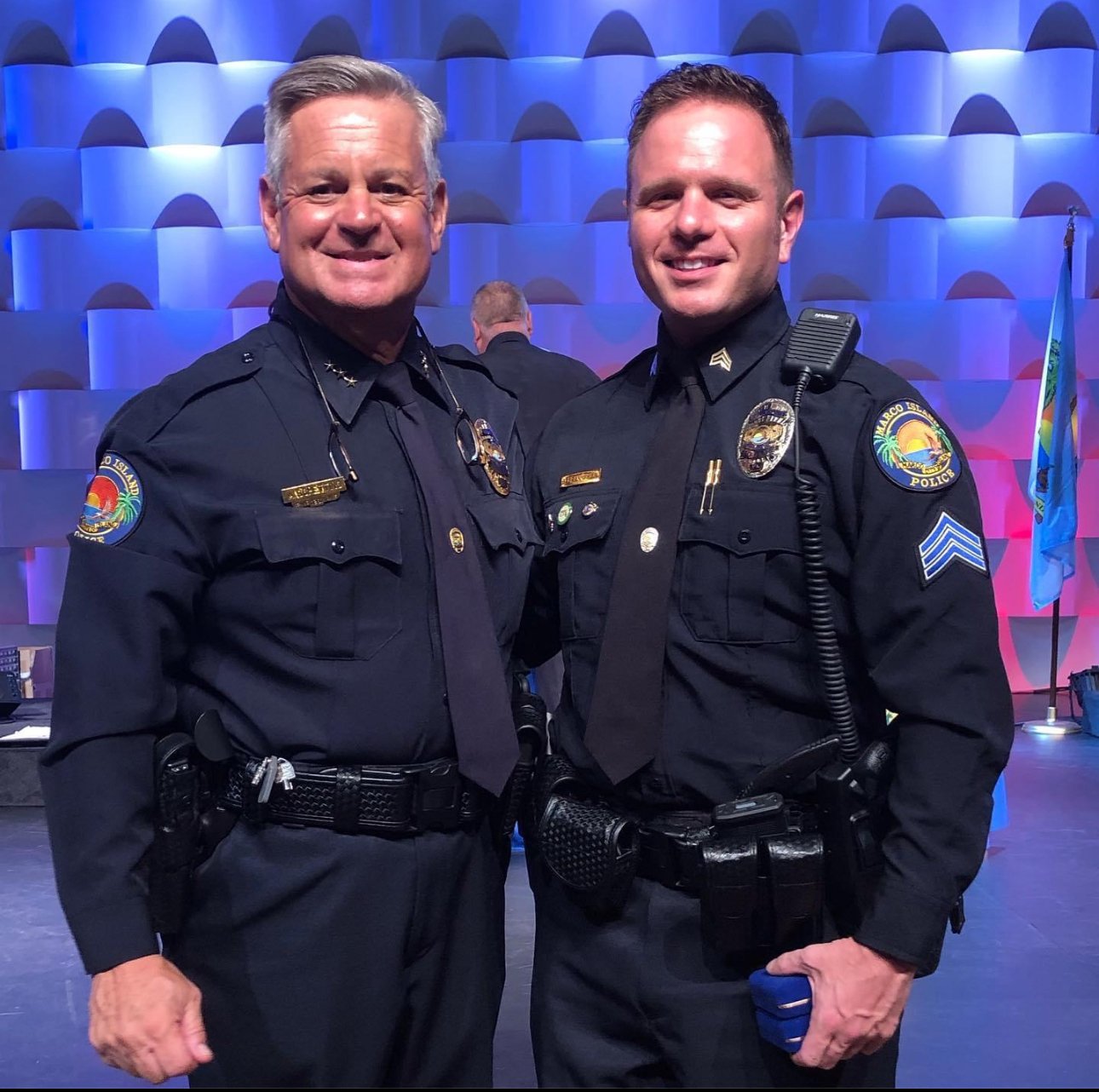
This picture was from an award ceremony at the height of my police career as a supervisor, being awarded with medals for Officer of the Year and saving someone’s life.
I was also dying of alcoholism at 34 years old, and went to treatment less than a month later.